Tulsa, OK Last updated April '26

I build things people want — and make sure they find them.

I've spent my career at the seam between building things and explaining them — product, growth, marketing, and the psychology underneath.


How I got here

Anxiety ran my life for a long time. I just called it ambition.

It wasn't until my mid-twenties that I started to tell the difference.

So I went back to school to understand it. I studied cognition, judgment, and well-being. But research is isolating and I'm a builder — so I started over and cold-messaged founders until one of them took a chance on me.

From there I joined Frame.io. What started as Strategy and BizOps grew into marketing, then product — partly because I pushed, partly because the business needed it. I'm still there, leading at the intersection of product, growth, and marketing. Still figuring out what's next.
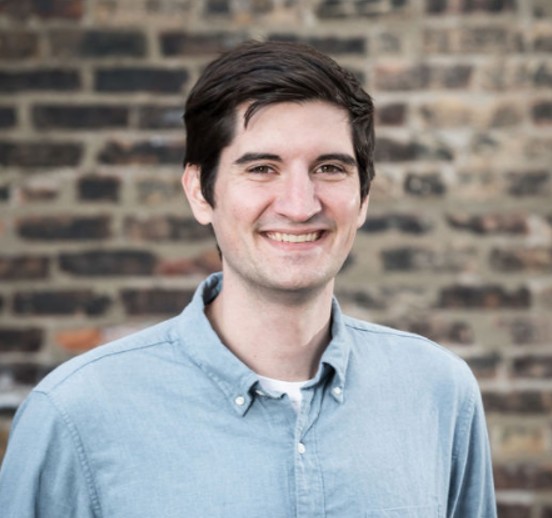
Mike Novak

Principles

Not a list of beliefs. Lessons from moments where the right move wasn't obvious.

P.01
Strategy + Ops
Find the gap. Fill it.

I've walked into companies where the infrastructure for good decisions didn't exist yet — and built it. The work no one asked for turned out to be the work that mattered most.

+
P.02
Product + Growth
Three bets a year. Nothing else.

A fifty-item roadmap became three bets per year — and the discipline to refuse everything else. That clarity led to the releases that actually moved the business: PLG, core revenue features, and the platform work that made the next year possible.

+
P.03
Product × Marketing
Work the seam, not the handoff.

The leverage in any company lives at the seam between product and marketing — where positioning sharpens the product and product surfaces sharpen the message. I've never seen a great company where those two functions could cleanly hand off. The best ones share a brain.

+
P.04
Judgment
Strategy is the patience to write down what's already true.

Most strategy work I've done well was just forcing a team to say out loud what everyone already suspected — and then acting on it. The hard part isn't the insight. It's the commitment.

+
P.05
Trust
The gap is yours to close, not theirs to cross.

Early in my career I got visibly frustrated when people weren't where I expected them to be. I didn't understand that the gap was mine to bridge. A good manager said the quiet part out loud. Assume best intentions. Understand where someone actually is. Bring them with you — because if you make people feel like obstacles, they'll act like them.

+

Questions I'm thinking about

An honest list. Not hot takes — just the things I keep turning over.

  • Q.01 Can you actually train for judgment, or only for pattern-matching? +

    I spent years studying this and I'm still not sure. My instinct is that judgment requires something more than reps — some capacity to sit with ambiguity without collapsing it too soon. But I've also watched people develop that through experience, which looks a lot like training. What I can't figure out is whether I'm describing two different things or the same thing from different angles.

  • Q.02 What does "well-being at work" mean when the work itself is the point? +

    I've seen people burn out doing work they loved, and I've seen people thrive under conditions that should have broken them. The conditions mattered, but so did something harder to name — whether the person felt like the work was theirs. I don't have a clean answer for what makes that sustainable. I just know the absence of it when I feel it.

  • Q.03 Can you pursue meaning the way you pursue a goal — or does the act of optimizing for it ruin it? +

    My PhD was built around this question and I still don't have a good answer. The optimizing-for-it-ruins-it theory feels true when I look at certain people, and completely false when I look at others. What I've noticed is that the people who seem most alive aren't thinking about it at all — but I don't know if that's a cause or a symptom.

  • Q.04 Can you train yourself to see what's missing, or do you only ever see what's there? +

    Pattern recognition is one of the most studied phenomena in cognitive psychology — and one of the most double-edged. Experts process faster and make better decisions on average, but they also develop systematic blind spots. The same schemas that let you see quickly are the ones that make you stop looking. This is part of why judgment is so hard to teach — good judgment often looks like pattern recognition, but the moments it breaks down are exactly the ones where the pattern doesn't fit. What I haven't figured out is whether you can actually train yourself to see what's missing, or whether you're always somewhat constrained by the patterns you've already built.

What shapes how I think

The stuff that doesn't fit on a resume but probably matters more.

Mental health and cognition

I've lived with anxiety and depression for most of my life. About ten years ago I stopped just managing it and started getting curious about it — why do our brains operate the way they do? What does it actually mean to live well? That curiosity led me into a PhD, where I dedicated my research to cognition and judgment, eudaimonic well-being, and mental health.

Travel

From the back roads of India to remote villages in South America, travel has been one of the most formative things in my life. Seeing how differently people live, make decisions, and find meaning has made me more empathetic and more curious. The world is a good reminder of how much you don't know.

Learning by listening

People reach out to me when they're stuck. I don't know exactly why — maybe it's that I ask different questions, or that I don't rush to fix things. What I do know is that I genuinely want to understand what's going on for someone, not just help them move past it. Those conversations have shaped how I think more than almost anything else.

Essays & notes

Thinking out loud. Mostly on strategy, psychology, and the space between them.

My inbox is open.

Whether you have something specific or just want to connect — reach out. Here's the kind of thing I love hearing about:

  • 01Something you're building and want a thought partner on
  • 02You think I can help, or you're going through it and need a friend
  • 03A role or opportunity you think I'd be excited about
michaelnovak42@gmail.com